Programme / 02 · Technology & the developer community
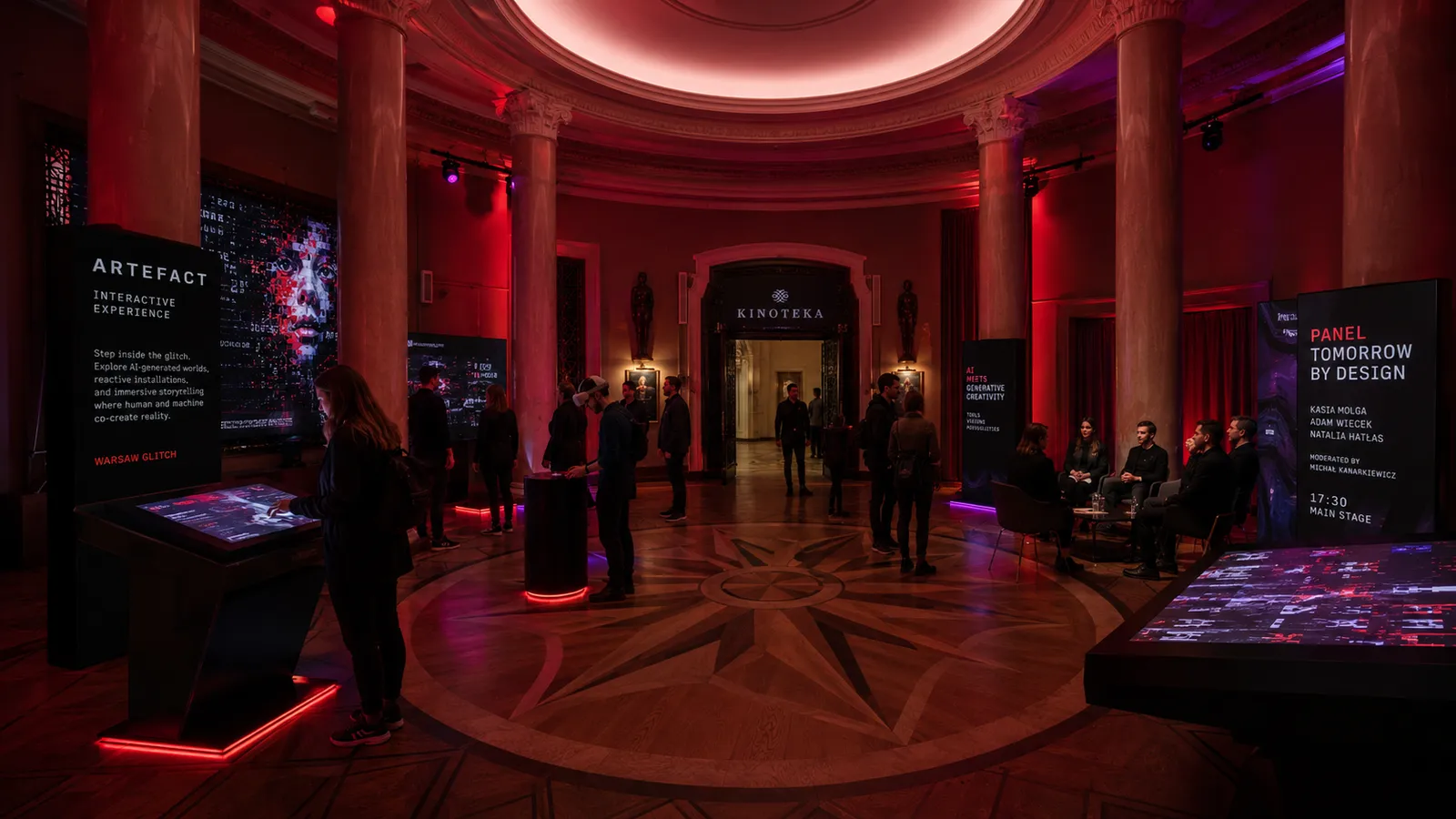
The room the festival runs together with WarsawJS, the Warsaw JavaScript community and a festival partner. This is where the tools get taken apart: agents inside game production, selling without a platform and what the creator economy actually pays for, developer experience in the tools creators use, agent-to-agent communication, and live product critique with the people who build interfaces. Sessions run as talks, panels and open meet-ups, and the WarsawJS Cafe keeps the conversation going between them.
Highlight Run with WarsawJS, the community that has been putting Polish JavaScript on stage for over a decade.
IN THIS PROGRAMME
Friday, Aug 28Warsaw Presidential Hotel
Doors open 09:00 daily · all four programmes run continuously after their openings.
Copyright grew up in a world where a person with a name stood behind every frame. Generative production breaks that assumption apart: who is the author, whose training data is it, what are you actually licensed for, and what only looks like a licence. This panel is not a reading of the statute but a tour of the places where today's practice and the law have come apart, and what to do about it before someone else does it for you.
- Two lawyers, one question: who owns what the model made
- Where Polish practice already parts ways with the EU rulebook
- What to put in a contract today so it survives the next model
Every software company now has an AI slide and a demo that works. This talk is about choosing a supplier once the marketing has stopped telling anyone apart: what to ask at the first meeting, what to check in the contract, which warning signs are visible before you sign, and how to verify a team that promises to do the same thing faster and cheaper than everyone else.
LECTURE
- Sklep bez platformy: nowy stack
- Creator economy: społeczności i monetyzacja
- Życie poza algorytmicznym pośrednikiem
- Pytania publiczności
A short, dense talk about authorship and ownership in work where part of the job is done by a model. Ben Chimoy asks what the sentence I made this actually means once the tool suggests, corrects and finishes. This is not about law but about agency: where your contribution ends, at what point you stop being the author and become the editor, and whether that line can be drawn honestly at all, both to yourself and to the audience.
A director who spent years making commercials and music videos the classical way now directs AI work with The Dor Brothers. This is that move told from the inside: what carries over from the old craft, what has to be unlearned, and what a director actually does once the camera is gone. Underneath sits the harder question, whether the thing that made the work worth watching survives a change of tools, and where exactly it gets lost when it does not.
A showcase of the Nordic AI scene: creators and companies from the north show what they are working on and then take questions from the room. It is a chance to see a market that built its production differently from the Polish one, with different funding, a different attitude to risk and a different pace of adopting tools. Useful for anyone thinking about co-production, about going abroad, or simply curious how the same work is done elsewhere.
MEET THE CREATORS
- Creator and specialist introductions
- A company demo from the Nordic scene
- Audience questions
Two practices that design for Microsoft and Google, and a researcher who teaches BIM, talk about what generative tools are doing to architecture. A building has to stand up, so this is a field where a model hallucination has a price measured in structure rather than in a revision. The panel asks where the model genuinely helps: in the concept, in the documentation, or only in the conversation with the client, and what in this profession will not be handed to a machine.
PANEL
- Two practices that build for Microsoft and Google, and a researcher who teaches BIM
- What a prompt can and cannot do in a building that has to stand up
- Where the model really helps: concept, documentation or the meeting with the client
A CapCut Originals case study of agent to agent communication, shown on the work itself: four episodes, fourteen minutes on screen. Adrian Daniel Botnariu walks through how the form came together, what happens when one agent hands work to another, and at which point the automation had to be stopped for the whole thing to still hold together as a story rather than a set of good looking shots.
LIVE CASE STUDY
- An introduction to the story
- Four episodes on screen, fourteen minutes
A team making a premium series half with a film crew and half with generative AI describes what that looks like in practice. Nexa began as a science fiction audiobook and is now a hybrid production, so this example shows plainly where the person works and where the machine does, and what it costs to keep one from eating the other. About ten minutes of footage on screen, then an open discussion with the room.
PANEL
- Nexa from the inside: a science-fiction audiobook turned into a premium series
- The hybrid model in practice: where the film crew works and where the machine does
- About ten minutes of footage from the production, on screen
- An open discussion with the audience: what making things in the age of AI opens up
A conversation about engineering culture in a world where the creator is the company and tools get built in a week. About which practices from software teams carry over to working alone, where process stops making sense and turns into overhead, and how not to turn your own toolkit into a project you can no longer maintain.
TALK
- From a meetup to a product
- Developer experience for creative tools
- Audience questions
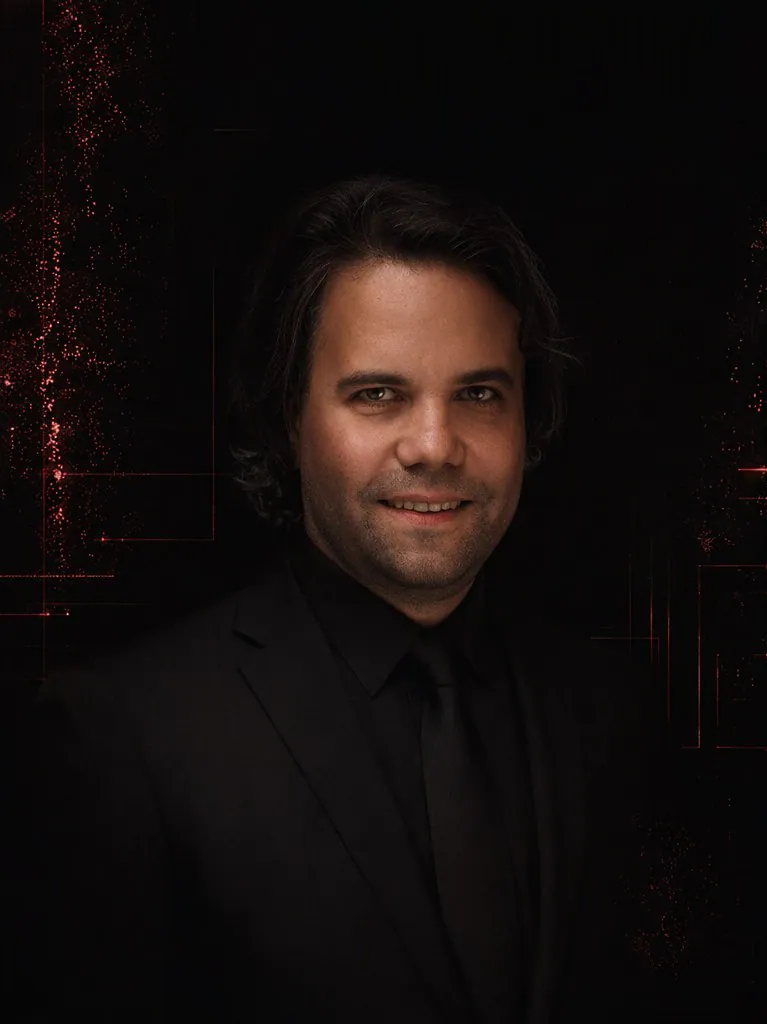 Mariusz Busiło
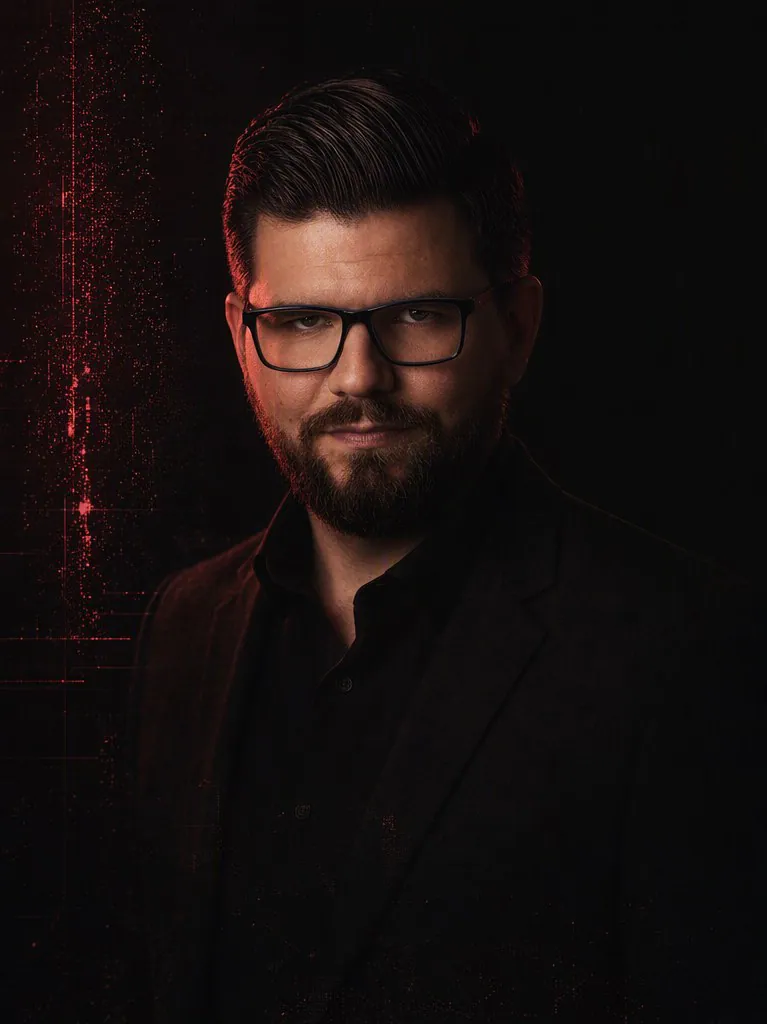 Michał Kibil
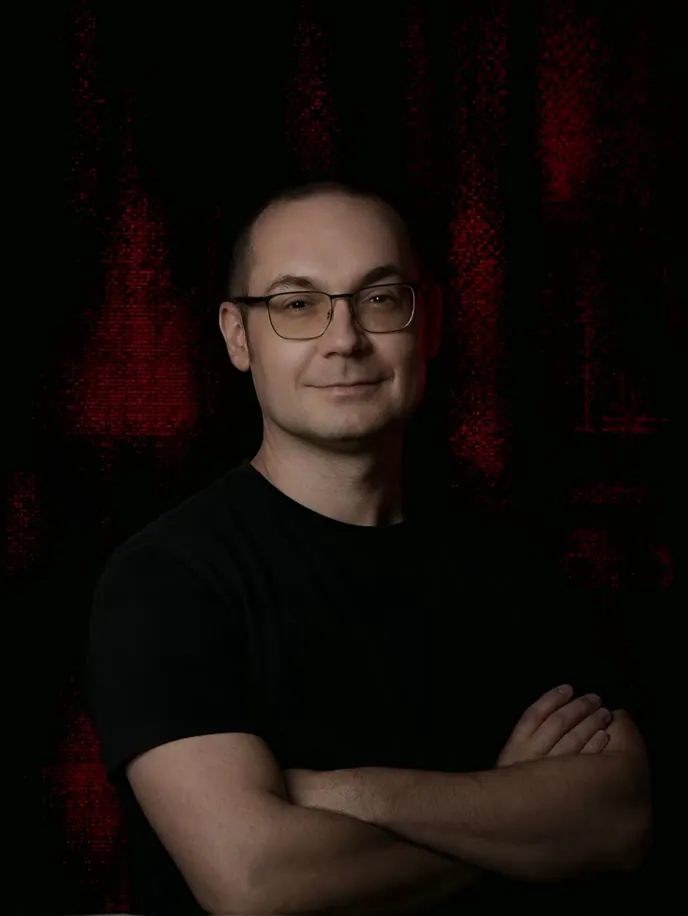 Illarion Koperski
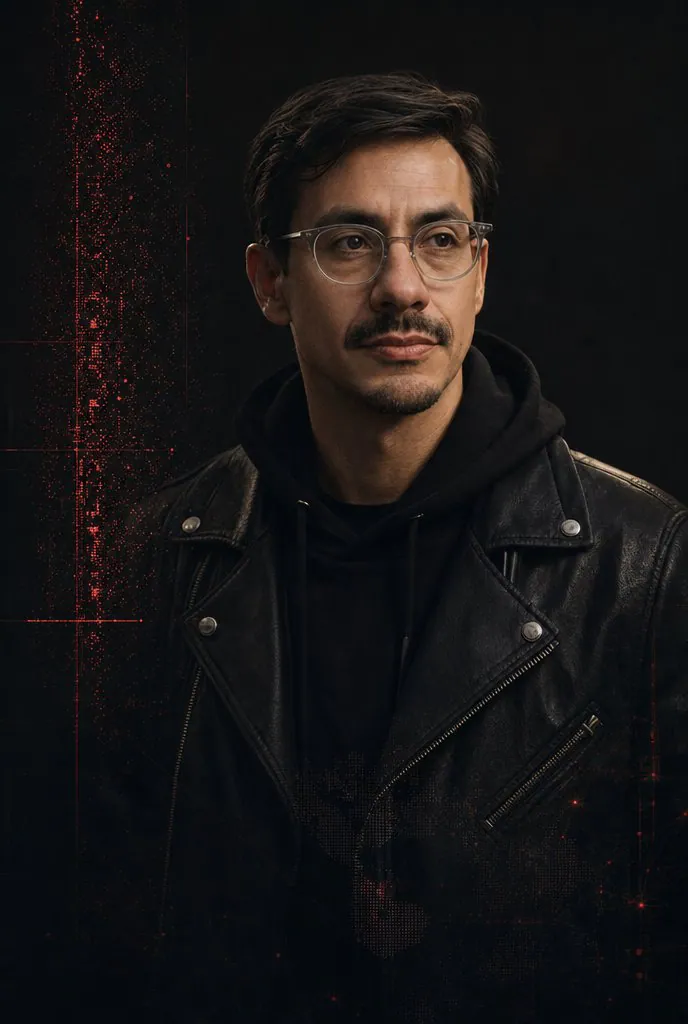 Ben Chimoy
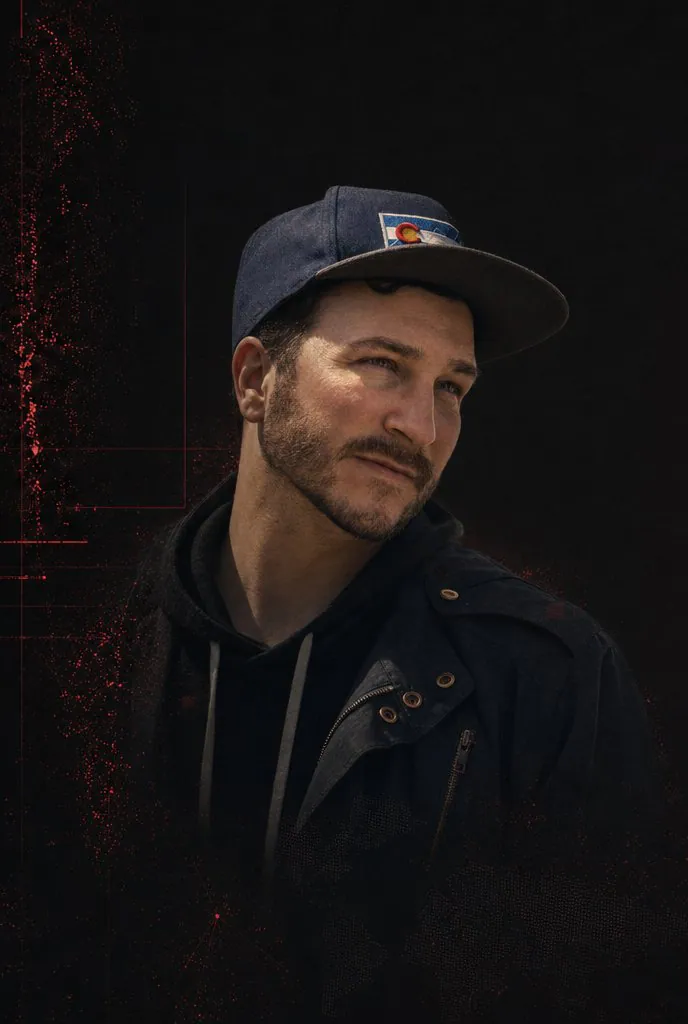 Matthew Szewczyk
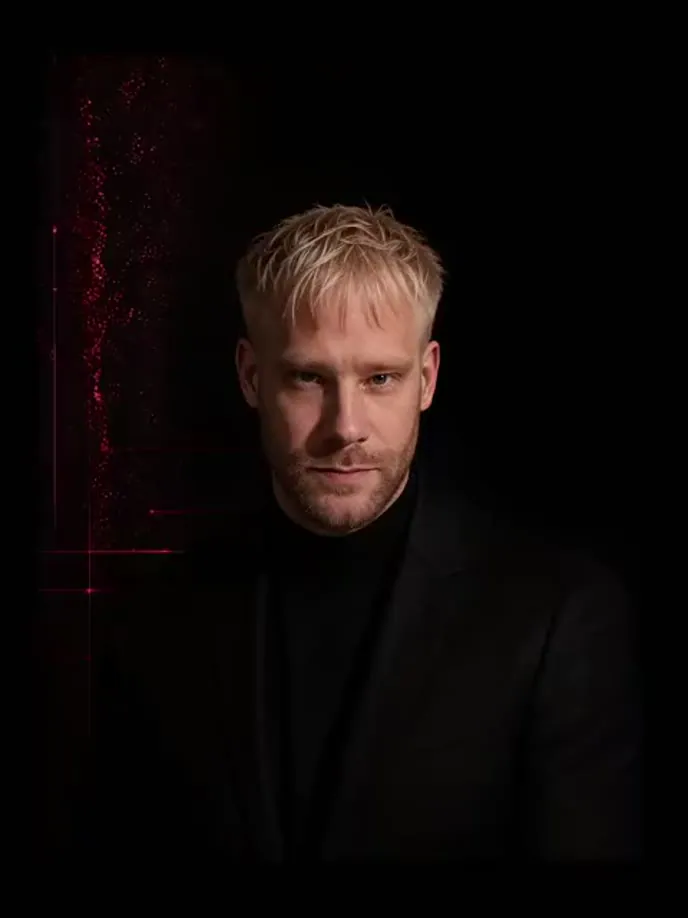 Billy Boman
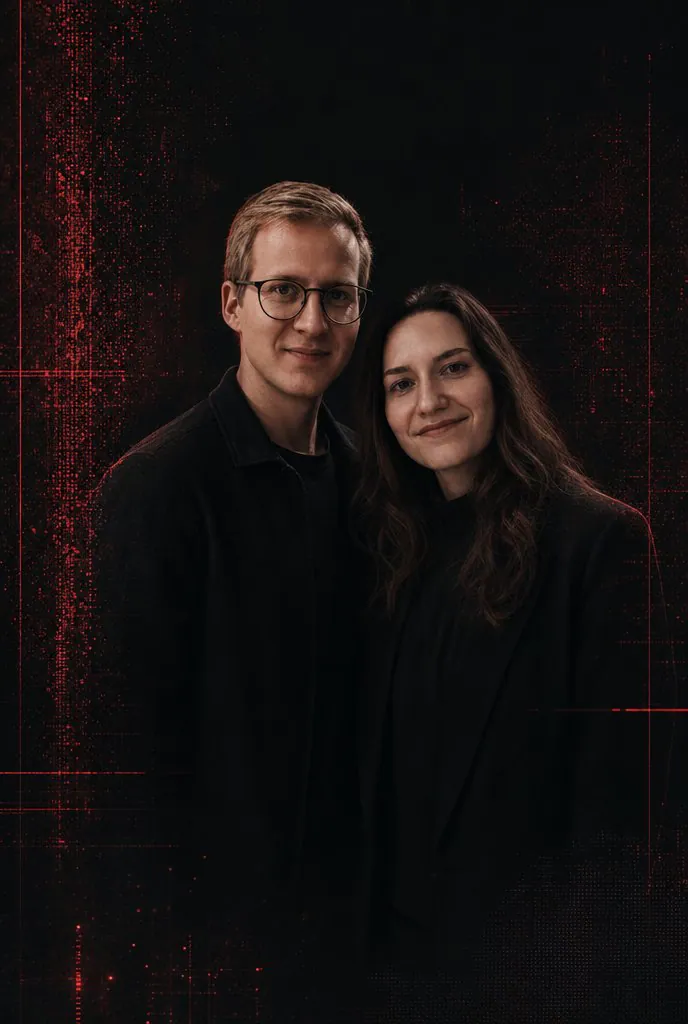 Markus & Tanja Laukkanen
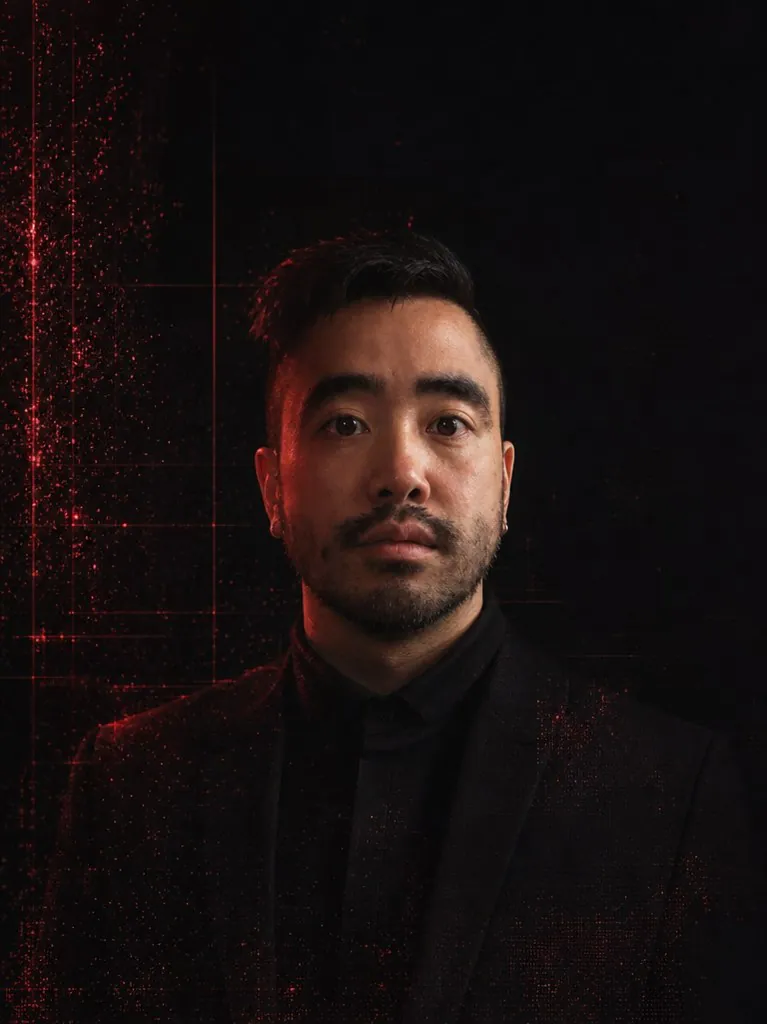 Edmond Yang
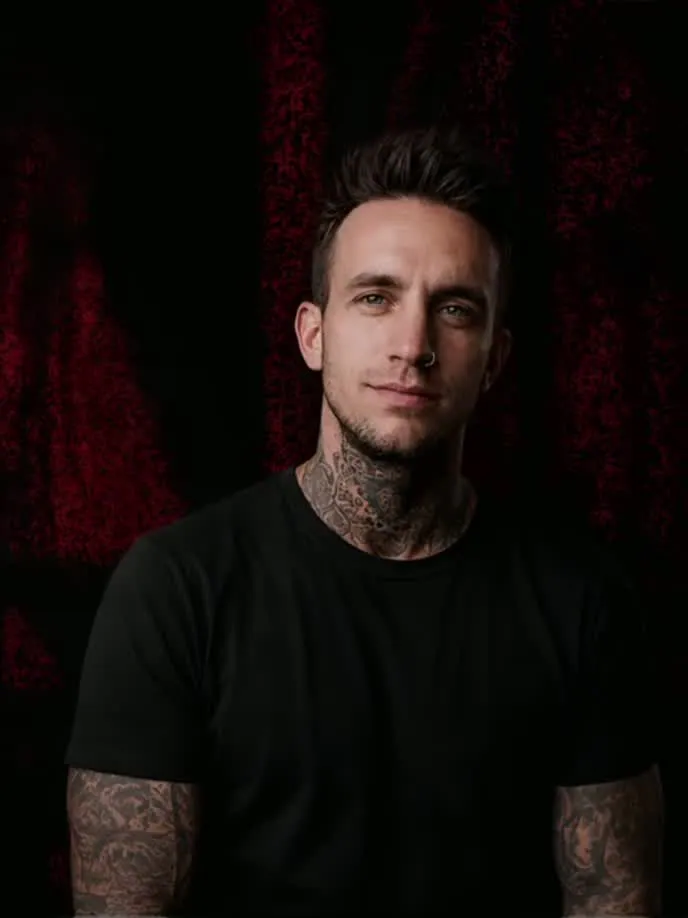 Marcus Grip
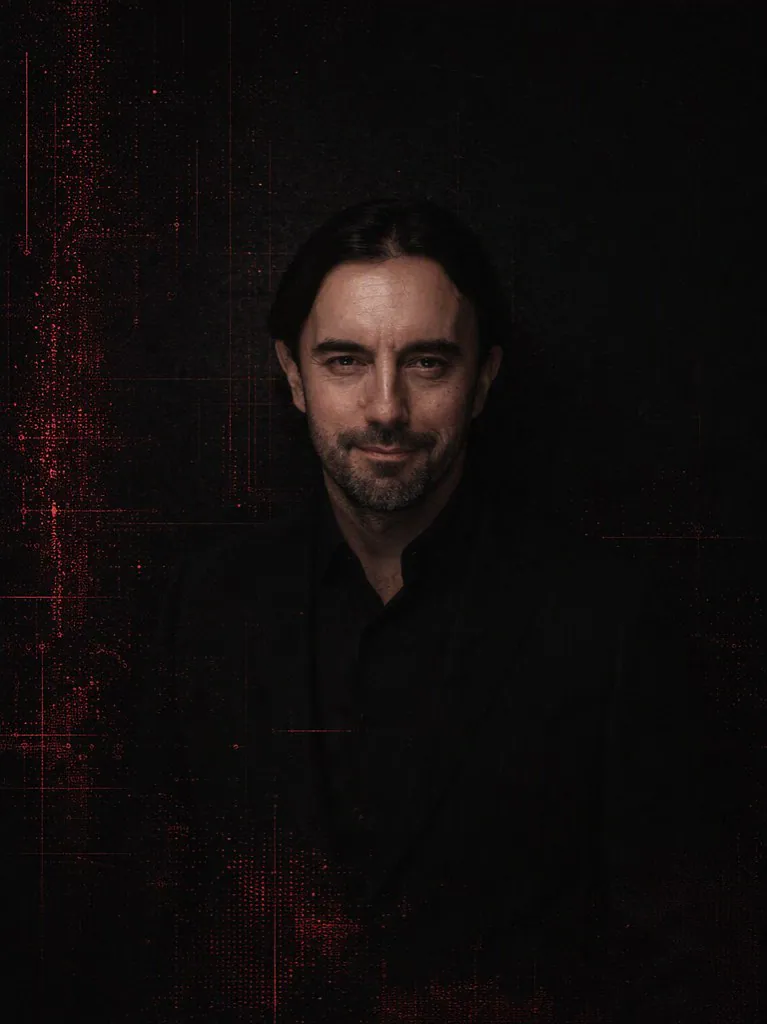 Bartosz Trzop
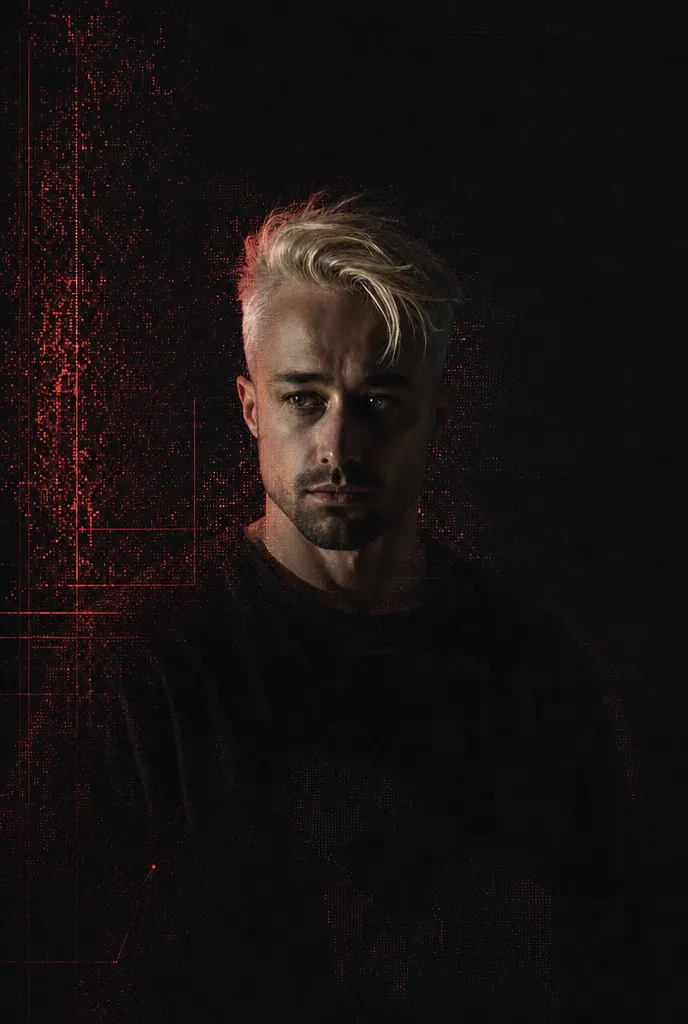 Adrian Daniel Botnariu
Four programmes · One festival